With the continuous improvement of data traffic and network device performance, network switches, as the core equipment of data centers and enterprise networks, have increasingly severe heat management issues. In high load and high-frequency data exchange, the electronic components inside the network switch generate a large amount of heat. If the heat is not effectively dissipated, the stability, performance, and service life of the equipment will be affected. Thermal conductive silicone sheet, as an efficient thermal management material, plays an indispensable role in the heat dissipation system of network switches.

Overview of Thermal Conductive Silicone Film
Thermal conductive silicone sheet is a material used for efficient heat transfer, usually composed of a mixture of silicone and fillers (such as metal oxides, thermal conductive particles, etc.), with high thermal conductivity. Unlike traditional heat dissipation methods such as radiators and fans, thermal conductive silicone sheets can directly contact heat sources and cooling components, ensuring that heat can be effectively conducted to the cooling system, thereby reducing device temperature.
The characteristics of thermal conductive silicone film include:
1. Excellent thermal conductivity: It can effectively transfer the heat generated inside the equipment.
2. Good flexibility: adaptable to various complex surfaces, able to fill irregular small gaps.
3. High temperature resistance: It can maintain its physical properties in high temperature environments and is suitable for high temperature operating conditions.
4. Electrical insulation: avoids conductivity issues and ensures equipment safety.

The role of thermal conductive silicone sheet in network switches
In network switches, the role of thermal conductive silicone film is mainly reflected in the following aspects:
1. Effectively conduct heat
The core components of network switches, such as processors, memory modules, and power units, generate a large amount of heat during operation. Thermal conductive silicone sheets can efficiently transfer the heat generated by these heat sources to heat sinks, heat sinks, or other cooling systems. Due to its excellent thermal conductivity, thermal conductive silicone sheets can quickly and evenly disperse heat, prevent local overheating, and thus improve the heat dissipation efficiency of equipment.
2. Improve the thermal contact surface
In the design of network switches, there are usually small gaps between multiple components such as processors, heat sinks, and baseboards. Although these gaps are not easily noticeable, they can hinder the conduction of heat. The flexibility of thermal conductive silicone film enables it to fill these tiny gaps, thereby forming a tighter thermal contact surface and further improving thermal conductivity efficiency. This characteristic makes thermal conductive silicone sheets an ideal material for solving uneven heat dissipation in equipment.
3. Reduce thermal stress
Due to the continuous impact of temperature fluctuations on the electronic components of network switches during long-term operation, thermal stress may cause damage to the components or detachment of solder joints. Thermal conductive silicone sheets can not only improve thermal conductivity efficiency, but also alleviate thermal stress caused by temperature changes. Its elasticity and flexibility enable the thermal conductive silicone sheet to adapt to the thermal expansion and contraction of equipment components, effectively protecting internal components and extending equipment service life.
4. Improve system stability
Efficient heat dissipation can ensure that network switches maintain stable performance even under long-term and high load operation. Thermal conductive silicone sheets reduce temperature fluctuations inside the switch by optimizing thermal management, thereby enhancing equipment stability. A stable working temperature not only improves the reliability of network switches, but also reduces the risk of failures and downtime.
5. Simplify heat dissipation design
In the design of heat dissipation systems for network switches, thermal conductive silicone sheets provide engineers with a simple and efficient solution. Compared with traditional heat sinks or liquid cooling systems, the application of thermal conductive silicone film can simplify design complexity, reduce costs, and provide excellent heat dissipation effects. Due to its flexibility and adaptability, thermal conductive silicone sheets can be used in conjunction with various shapes and sizes of components, providing high flexibility.
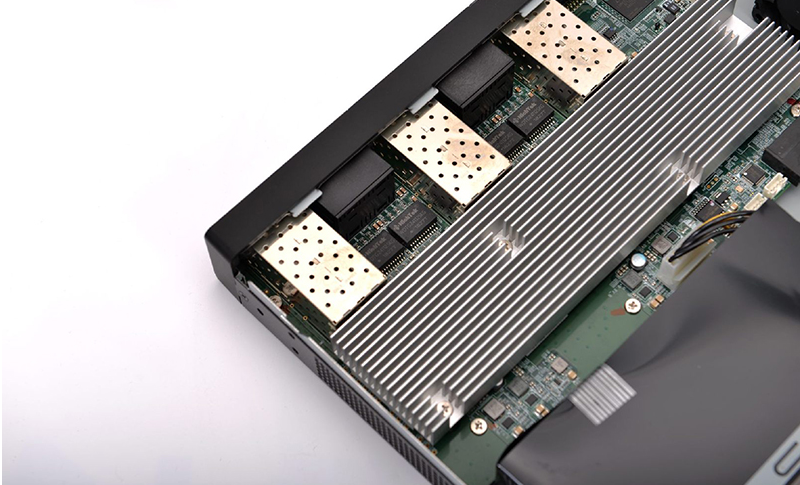
Selection and Application of Thermal Conductive Silicon Film
Choosing the appropriate thermal conductive silicone sheet is the key to ensuring the heat dissipation effect of network switches. Here are some factors to consider when making a choice:
1. Thermal conductivity
Thermal conductivity is one of the core performance indicators of thermal conductive silicone film, and selecting a silicone film with appropriate thermal conductivity can effectively improve heat dissipation efficiency. For high-performance network switches, it is recommended to choose thermal conductive silicone sheets with higher thermal conductivity to cope with stronger thermal loads.
2. Thickness and compressibility
The thickness and compressibility of thermal conductive silicon film directly affect the contact quality between it and the surface of the component. Thin sheets and high compressibility materials can fill smaller gaps and improve thermal contact efficiency. Choosing the appropriate thickness and compressibility can maximize the heat dissipation effect.
3. Environmental adaptability
The high temperature resistance and environmental adaptability of thermal conductive silicon film are also very important, especially in high-temperature operating environments. The stability and durability of materials determine whether they can maintain thermal conductivity for a long time.
4. Electrical insulation
Thermal conductive silicone sheets not only need to have good thermal conductivity, but also need to have electrical insulation to prevent short circuits and electrical problems. Therefore, when selecting thermal conductive silicone sheets, it should be ensured that they meet the electrical insulation requirements.
conclusion
The role of thermal conductive silicone sheets in network switches should not be underestimated. By providing efficient heat conduction, improving thermal contact surfaces, relieving thermal stress, and enhancing system stability, thermal conductive silicone sheets not only optimize the heat dissipation performance of equipment, but also extend its service life. With the continuous improvement of network switch performance, the demand for heat dissipation solutions has become increasingly urgent. Thermal conductive silicone film, as an efficient thermal management material, will play an increasingly important role in future network switch designs.
PREV:The role of thermal conductive silicone sheet in battery cell thermal management
NEXT:Thermal conductive silicone sheet designed specifically for electronic products

QQ客服1
QQ客服2
13713346890
dg_jnkj@163.com


