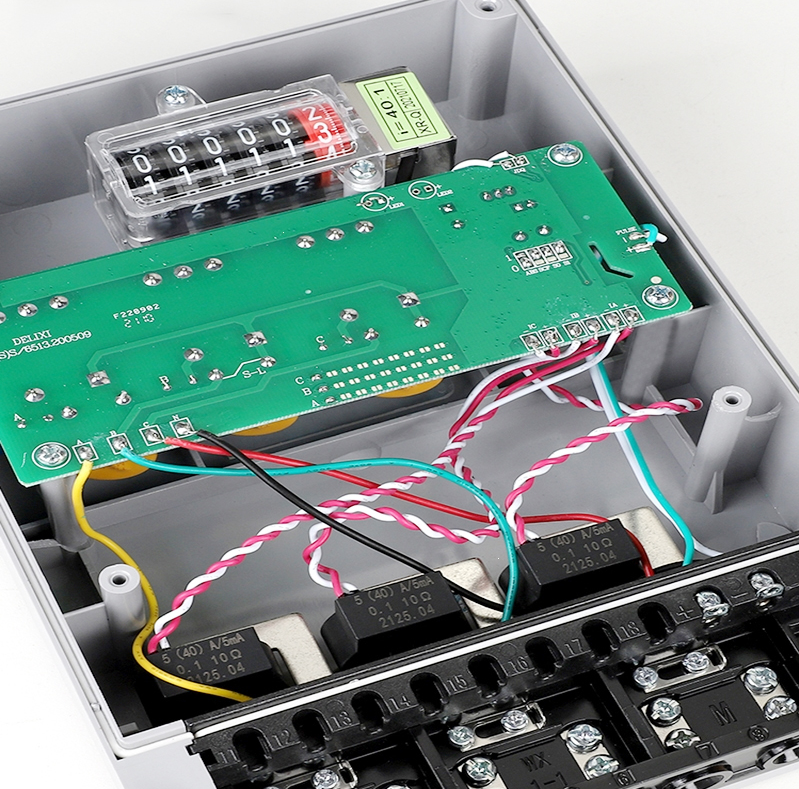
As a key device in modern power systems, smart meters play an important role in energy measurement and data transmission. With the continuous development of technology, smart meters have integrated more functions and higher computing power, but this has also brought higher power consumption and heat dissipation challenges. Effective heat dissipation is crucial for ensuring the stable operation and long lifespan of smart meters. Thermal conductive silicone film, as a new type of heat dissipation material, has gradually become an ideal choice for solving the heat dissipation problem of smart meters due to its superior thermal conductivity and good physical properties.
The principle and characteristics of thermal conductive silicone film
Working principle of thermal conductive silicone film
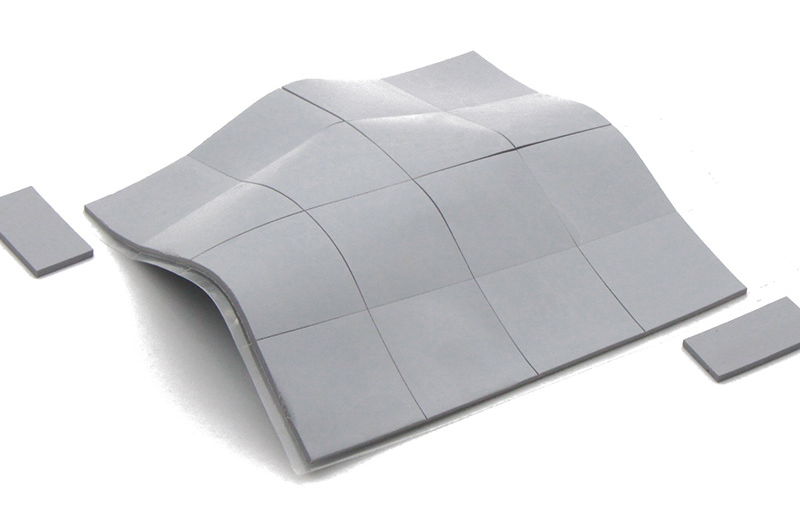
Thermal conductive silicone sheet is a flexible silicone sheet made by filling thermal conductive materials such as alumina, silicon nitride, etc. Its main working principle is to quickly transfer heat from high temperature areas to low temperature areas through efficient thermal conductive fillers, thereby achieving internal heat management of equipment. Thermal conductive silicone sheets usually have good flexibility and compressibility, which can effectively fill the gaps inside the equipment, increase the contact area, and improve thermal conductivity efficiency.
Characteristics of Thermal Conductive Silicone Film
1. High thermal conductivity: The thermal conductivity of thermal conductive silicone film is usually between 1.0W/m · K and 10.0W/m · K, which can quickly conduct heat out and ensure that the equipment temperature remains within a safe range.
2. Good flexibility and compressibility: Thermal conductive silicone sheets can effectively fill irregular surfaces inside equipment, enhance thermal conductivity, and do not cause mechanical stress to electronic components.
3. Electrical insulation: Most thermal conductive silicone sheets have good electrical insulation properties, ensuring that they do not affect the electrical performance of the equipment while conducting heat.
4. Temperature resistance: Thermal conductive silicone sheets can work stably in a wide temperature range of -40 ℃ to 200 ℃, adapting to various extreme working environments.
Application of Thermal Conductive Silicone Sheet in Smart Electric Meter
Analysis of heat dissipation requirements
The working environment of smart meters is usually complex, and the internal integrated microprocessors, communication modules, and other high-power components generate a large amount of heat. If these heat cannot be dissipated in a timely and effective manner, it will cause the temperature of the electricity meter to be too high, thereby affecting its performance and lifespan. Especially in high temperature environments during summer or when operating at full load for long periods of time, heat dissipation issues become more prominent.
In the heat dissipation design of smart meters, thermal conductive silicone sheets are usually used in the following aspects:
Microprocessor heat dissipation: Transfer the heat generated by the microprocessor to the heat sink or casing through a thermal conductive silicone film.
Power module heat dissipation: protects the power module from high temperature effects and extends its service life.
Communication module heat dissipation: Ensure that the communication module can work stably even in high temperature environments.
Overall heat dissipation optimization: By reasonably arranging thermal conductive silicone sheets, the overall heat dissipation performance of the electric meter is optimized.
Application advantages of thermal conductive silicone film
1. Improve heat dissipation efficiency: By pasting thermal conductive silicone sheets at key heat sources of smart meters (such as microprocessors and power modules), heat can be quickly dissipated, improving overall heat dissipation efficiency.
2. Ensure stability and reliability: Effective heat dissipation management helps maintain the stability of the internal temperature of smart meters, reduce component aging and failures caused by overheating, and improve equipment stability and reliability.
3. Simplified installation and maintenance: The flexibility and plasticity of thermal conductive silicone film make it easy to apply to various shapes and sizes of equipment, with simple installation and no need for frequent maintenance.
Conclusion
Thermal conductive silicone film, as an efficient and reliable heat dissipation material, has demonstrated unique advantages in the heat dissipation management of smart meters. Its high thermal conductivity, good flexibility, and electrical insulation performance enable it to effectively solve the heat dissipation problem of smart meters, improve the stability and service life of the equipment. With the continuous advancement and widespread application of smart meter technology, the role of thermal conductive silicone sheets in the field of heat dissipation will become even more important. Through reasonable heat dissipation design and material application, smart meters will undoubtedly play a more important role in modern power systems.
PREV:The key role of thermal conductive silicone sheet in heat dissipation of network switches
NEXT:Thermal conductive silicone sheet designed specifically for electronic products

QQ客服1
QQ客服2
13713346890
dg_jnkj@163.com


