Efficient thermal management:
Thermal conductive silicon film helps optimize the heat dissipation of energy storage battery packs
In the field of modern energy storage, the rapid development of battery technology provides powerful power support for renewable energy systems, electric vehicles, and smart grids. However, as the energy density of energy storage battery packs continues to increase, heat dissipation has become a key challenge. If the heat dissipation is improper and the internal temperature of the battery pack is too high, it will not only reduce the efficiency of the system, but also significantly shorten the battery life, and even cause safety issues. To address this issue, thermal conductive silicon film, as an efficient thermal management material, is gradually being widely used in energy storage battery packs.
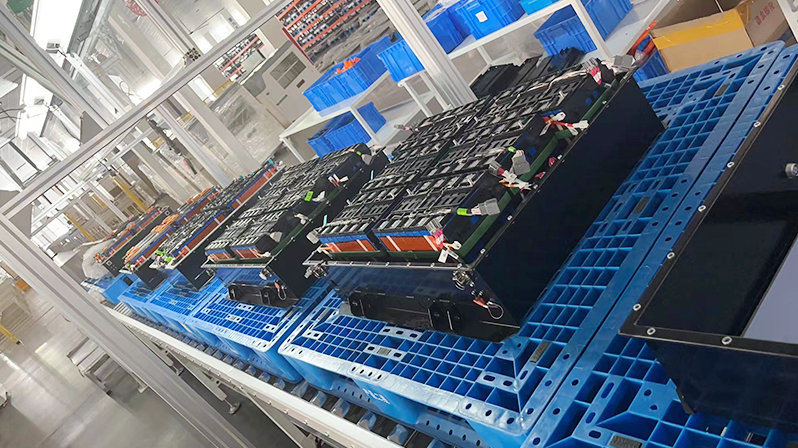
The heat dissipation requirements and challenges of energy storage battery packs
Energy storage battery packs are usually composed of multiple individual batteries connected in series or parallel, and each battery generates heat during the charging and discharging process. As the capacity of energy storage battery packs increases, the heat generated by individual batteries also increases, making the heat dissipation of the entire battery pack more complex. If problems such as uneven heat dissipation and local overheating are not effectively solved, they can lead to uncontrolled heat generation, resulting in battery system failures or even serious accidents.
The demand for heat dissipation can be summarized into the following aspects:
1. Uniform distribution of heat: Ensure that the temperature of each battery cell in the battery pack is balanced to avoid local overheating.
2. Efficient heat dissipation path: Provides an efficient and stable conduction path for the heat generated inside the battery.
3. Lightweight and space optimization: Achieve effective heat dissipation management within a limited space, while ensuring the overall lightweight and compact structure of the battery pack.
These demands place extremely high demands on the performance of heat dissipation materials. Traditional heat dissipation methods such as air cooling and liquid cooling, although effective, may not be practical in some application scenarios. Thermal conductive silicone sheets play an increasingly important role in heat management due to their unique properties.

Characteristics and advantages of thermal conductive silicone film
Thermal conductive silicone sheet is a composite material made of silicone rubber as the substrate and containing thermal conductive fillers. Its excellent thermal conductivity and flexibility make it an ideal choice for thermal management of energy storage battery packs. The following are the main advantages of thermal conductive silicone sheets in heat management:
1. High thermal conductivity: Thermal conductive silicone sheets usually have a high thermal conductivity (1-5 W/m · K), which can quickly conduct the heat inside the battery pack, avoid local overheating, and thus improve the heat dissipation efficiency of the battery pack.
2. Good flexibility and filling performance: Thermal conductive silicone sheets have excellent flexibility and can effectively fill gaps in battery packs, thereby improving the heat dissipation contact surface and reducing thermal resistance. Especially in the complex structure of battery packs, thermal conductive silicone sheets can perfectly adapt to irregularly shaped areas.
3. Electrical insulation: As an insulation material, thermal conductive silicone sheets have excellent electrical insulation properties, avoiding safety hazards caused by poor contact or leakage inside the battery pack.
4. Vibration resistance and durability: The battery pack may be subjected to mechanical vibrations and environmental impacts during operation. Thermal conductive silicone sheets not only have vibration reduction functions, but also maintain their physical stability and long-term durability in high temperature environments.
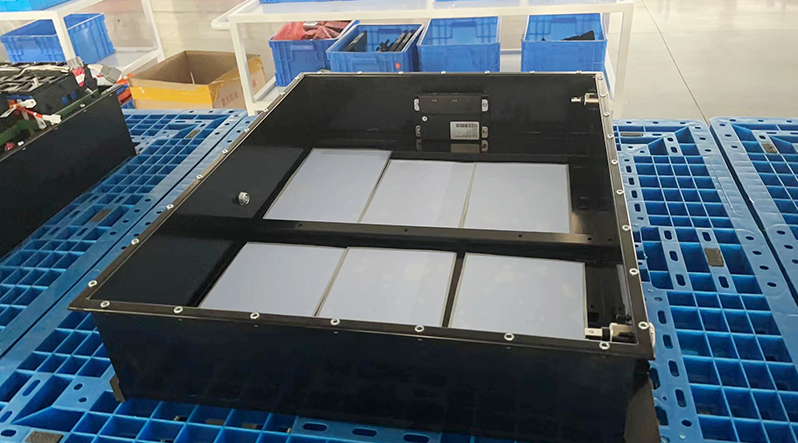
Application of Thermal Conductive Silicone Sheet in Energy Storage Battery Pack
1. Thermal management between battery cells and heat sinks
In battery pack design, the thermal interface management between battery cells and heat sinks (such as metal heat sinks or liquid cooled plates) is the key factor affecting heat dissipation efficiency. Thermal conductive silicone film acts as a thermal interface material (TIM) at this location, filling the small gaps between battery cells and heat sinks, reducing contact thermal resistance, and enhancing heat dissipation. Its good flexibility can also absorb the stress generated by thermal expansion and contraction, avoiding structural damage to the battery pack during long-term operation.
2. Thermal isolation between battery modules
A battery pack is usually composed of multiple battery modules, and if the temperature difference between each module is too large, it is easy to cause thermal runaway. By adding thermal conductive silicone sheets between modules, not only can heat be effectively conducted to avoid overheating, but thermal isolation between modules can also be achieved to a certain extent, ensuring uniform heat distribution throughout the battery pack.
3. Overall heat dissipation design of battery pack
In addition to serving as a thermal interface material, thermal conductive silicone sheets can also be used as a heat dissipation design element for the entire battery pack. For example, applying a thermal conductive silicone sheet on the inner surface of the battery pack casing can quickly transfer internal heat to the external heat dissipation system. In addition, the thermal conductive silicone sheet can also be combined with other heat dissipation components such as aluminum heat sinks, liquid cooling plates, etc., to further enhance the overall heat dissipation performance.
The future development trend of thermal conductive silicone sheets in energy storage systems
With the continuous advancement of energy storage technology, thermal conductive silicone sheets continue to evolve in terms of performance and application areas. In the future, thermal conductive silicone sheets will develop in the following directions:
1. Higher thermal conductivity: By introducing new fillers and processes, the thermal conductivity of the thermal conductive silicone film is improved to meet the heat dissipation needs of higher energy density battery packs.
2. Intelligent thermal management materials: Combining intelligent sensing technology, a thermal conductive silicone sheet capable of real-time monitoring and temperature adjustment has been developed to achieve more intelligent thermal management.
3. Environmental Protection and Sustainable Development: Pay more attention to environmental protection and sustainability in material selection and production processes, reduce the impact on the environment, and promote the development of green energy storage systems.
Conclusion
Thermal conductive silicone film, as an important part of the heat dissipation solution for energy storage battery packs, effectively solves the internal thermal management problems of battery packs with its high thermal conductivity, flexibility, electrical insulation, and design flexibility. With the continuous advancement of energy storage technology, thermal conductive silicone sheets will play a more important role in future thermal management applications, providing guarantees for the safety, reliability, and efficiency of energy storage systems.
PREV:LED lighting
NEXT:Automobile Industry

QQ客服1
QQ客服2
13713346890
dg_jnkj@163.com


