Why is it said that LED heat dissipation design cannot do without thermal conductive silicone sheets?
Although the surface of metal objects appears smooth and flawless, and the manufacturing process requires high standards, the contact surface between the LED aluminum substrate and the heat sink is still difficult to achieve high standards of flatness and smoothness. If the LED aluminum substrate is directly installed on the heat sink, there are often small gaps between their surfaces. These gaps not only reduce the contact area, but more importantly, they trap a small amount of air. As a poor conductor of heat, air can seriously hinder the transmission path of heat flow, thereby greatly weakening the heat dissipation effect.
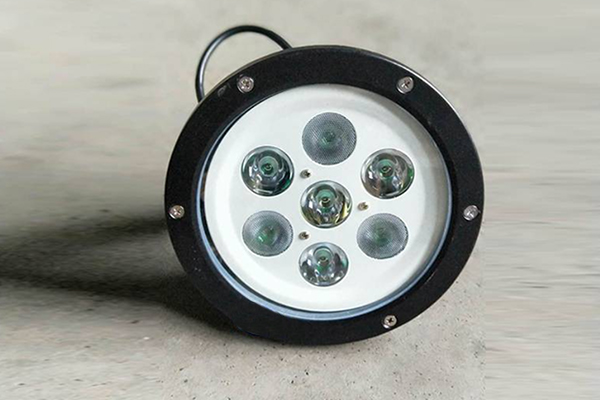
To address this issue, we have introduced the solution of thermal conductive silicone sheets. Thermal conductive silicone sheets, with their softness, high thermal conductivity, and insulation properties, can form a "bridge" between LED aluminum substrates and heat sinks. When the thermal conductive silicone sheet is placed between the two, it can fully fill these tiny gaps, completely eliminate air, and ensure that heat can be transferred smoothly from the LED aluminum substrate to the heat sink. The unobstructed thermal conduction path not only improves the thermal conductivity efficiency, but also enables heat to be quickly dissipated by the heat sink, effectively reducing the temperature of LED devices.
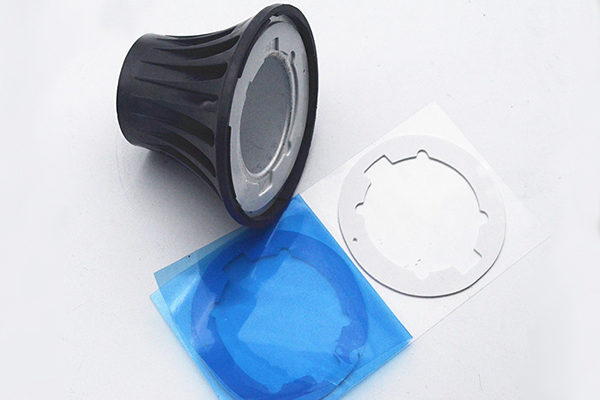
In summary, the reason why LED heat dissipation design cannot do without thermal conductive silicone sheets is that they can completely fill the uneven gaps between the LED aluminum substrate and the heat sink, eliminate air, and ensure smooth and unobstructed heat conduction paths. This not only improves the heat dissipation efficiency, but also ensures the stable operation of LED devices, extending their service life.
PREV:...
NEXT:Automobile Industry

QQ客服1
QQ客服2
13713346890
dg_jnkj@163.com


